Gallery
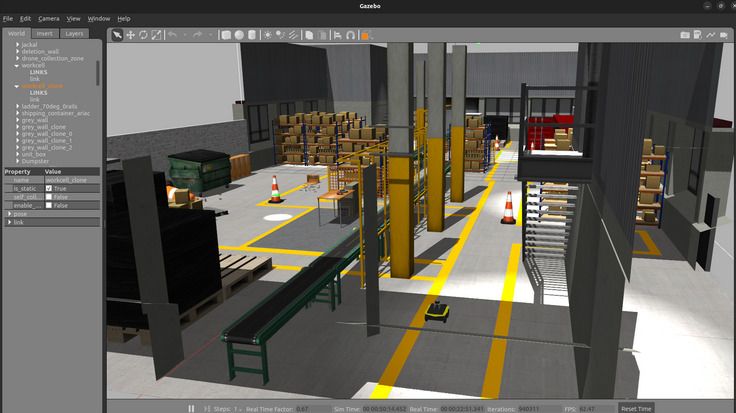
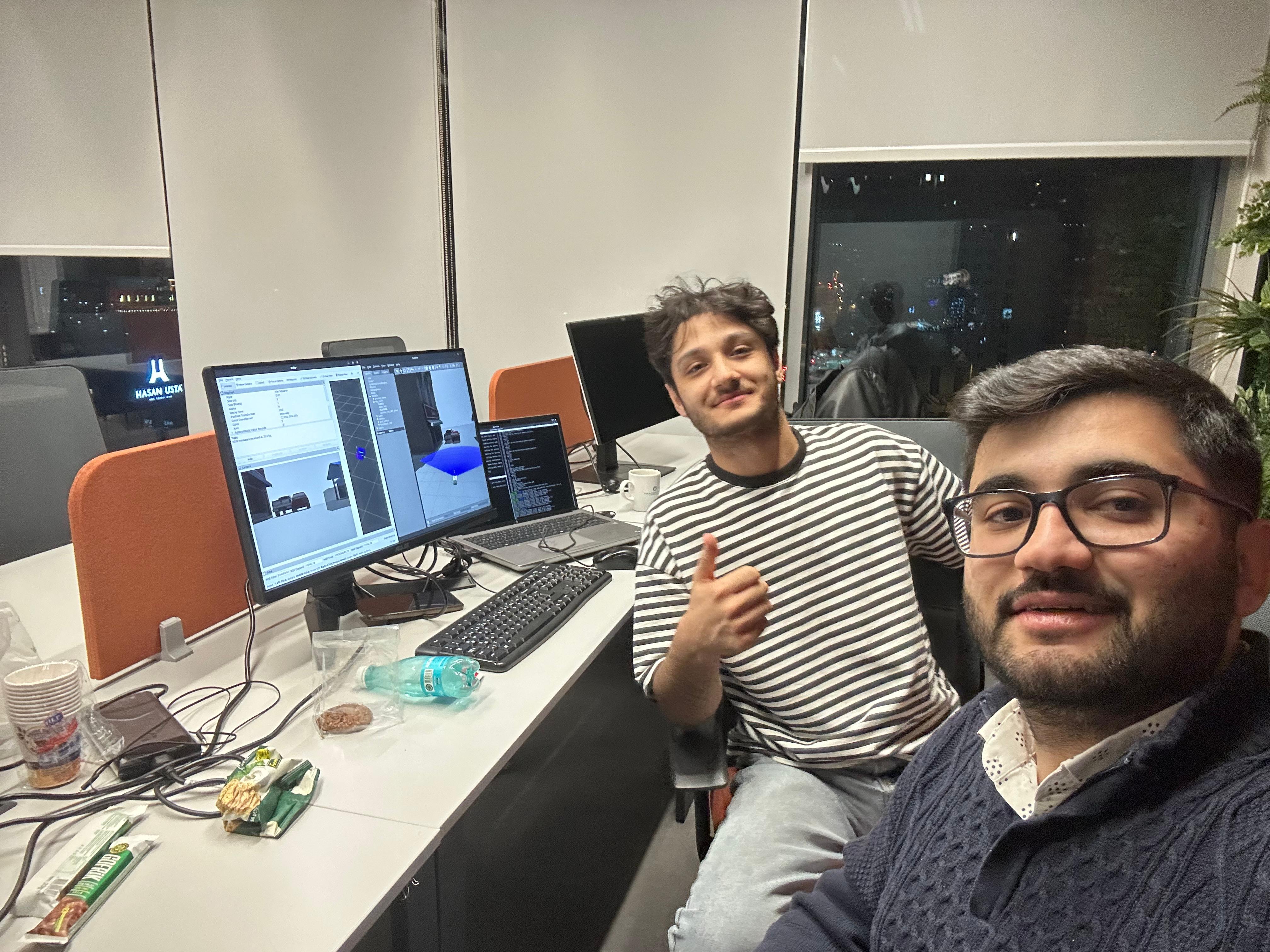
Actual footage from recent deployment tests.
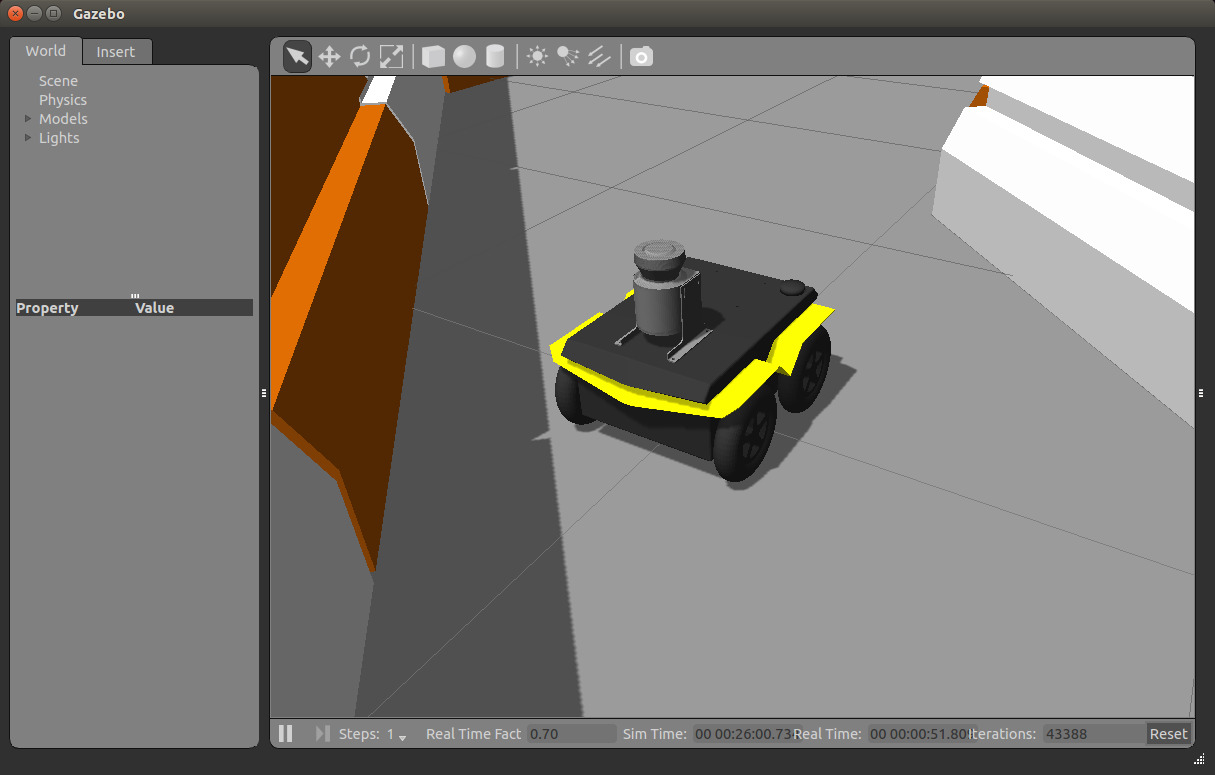
Next-generation robotics designed for high-risk environments. Precision mapping, real-time telemetry, and unsurpassed durability.
The RadCar is deployed in zones where human intervention is impossible. Equipped with dosimeter counters and semantic mapping AI, it navigates debris-laden environments to identify radiation hotspots with millimeter precision.
Unlike traditional remote-controlled units, RadCar operates autonomously , streaming data back to command centers.
See How It WorksOnboard edge processing capable of identifying hazardous materials and structural weaknesses in real-time.
Full control with camera and lidar.
Chassis and electronics are durably protected, ensuring operation in critical exclusion zones. Protection is provided by boron.
Low-latency data transmission up to 5km in dense urban or subterranean environments.
The stability control system automatically maintains body stability on sloping and uneven surfaces.
Next-gen solid state batteries provide safer, longer-lasting power density without overheating risks.
Simulated connection to Rover Unit NX-04
SCANNING
Rover is deployed safely from a shielded transport unit at the perimeter of the hazard zone.
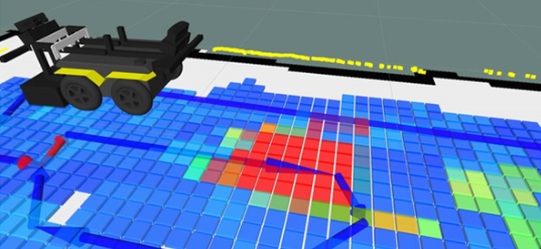
LIDAR sensors create a 3D point cloud of the environment, identifying obstacles and paths.
Sensors scan for alpha, beta, and gamma radiation, overlaying heatmaps onto the 3D terrain.
The vehicle automatically performs environmental risk analysis with gas sensors, temperature-humidity sensors and radiation meters.
Encrypted data packages are sent to command, providing actionable intelligence for cleanup crews.
Actual footage from recent deployment tests.